


|
Interesting Greece Facts
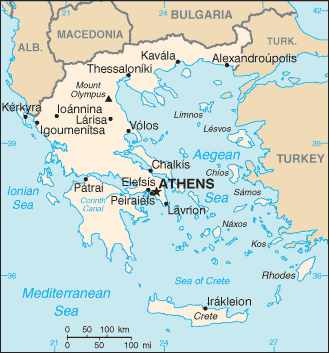
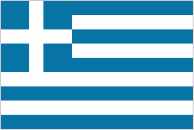
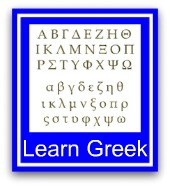
Want to learn more about this wonderful country, here are some interesting Greece facts! Country Name Greece, Ellada, Language Greek Capital City Athens (Greek Name - Athina) Currency Euro The Greek Drachma, the oldest currency in Europe was dropped once the European Union decided on a single currency throughout Europe. Religion Greek Orthodox Time zone GMT+2 Population 11,216,708 (2008 Est) Climate Temperate, giving mild wet winters and dry hot summers. Coastline Total coastline of Greece is 13,676 km Area Total area of Greece is 131,940 sq km The Greek alphabet has different characters than the roman alphabet. There are 24 letters in the Greek Alphabet. Flag of Greece The flag of Greece - Simaia tis Elladas has 9 equal horizontal lines of blue and white with a canton in the upper left corner bearing a white cross. The white cross represents Greek Orthodoxy - the religion of Greece. The five blue stripes are said to represent the five oceans, in reference to the close link between Greece and the Sea.
Regions The country is divided into regions, Thraki and Macedonia in the north, Epirus, Thessaly and Central Greece and Peloponnisos, a peninsula in the south. The main cities in Greece are Athens, Thessaloniki, Patras, Heraklion, Volos, Ioannina and Larissa. The rugged coastline has created many natural harbours. Piraeus is one of these and is the second largest port in the Mediterranean. Greece received independance from the Ottoman empire in 1829 and celebrates Independance Day on 25 March. GREEK ISLANDS There are over 1400 islands in Greece, with 227 being inhabited, although only 78 with more than 100 inhabitants. Crete is the largest island. All of these islands are divided into seven groups, which are Saronic Islands
Have a browse through our Greek Gift Store
Take a look at these Greek Travel Guides for more information and Greece facts! |

Follow us on Facebook

It's Easy!
Check out these popular pages! Click on the image below


New! Comments
Have your say about what you just read! Leave me a comment in the box below.